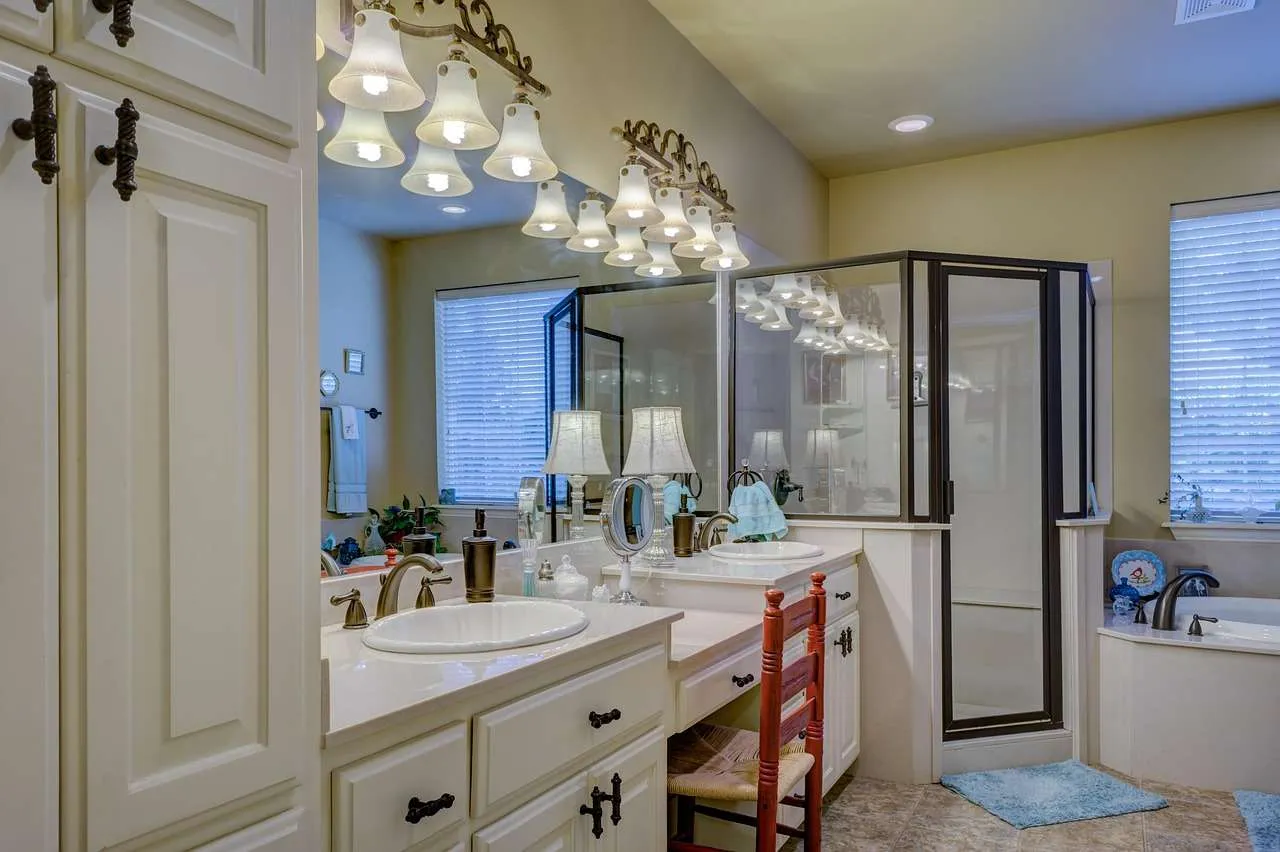
Choosing bathroom tile is about more than color and pattern. The right tile blends aesthetics with durability, slip resistance, and easy maintenance, especially in a humid, high traffic space. This guide helps homeowners, designers, and contractors select the best options for floors, walls, and showers while outlining practical installation tips and upkeep strategies.
Understanding bathroom tile materials
Tile materials determine how long a bathroom looks great and how it performs under moisture. The two most common categories are ceramic and porcelain, followed by natural stone and glass options. Each has distinct advantages for different locations and budgets.
Ceramic tile versus porcelain tile
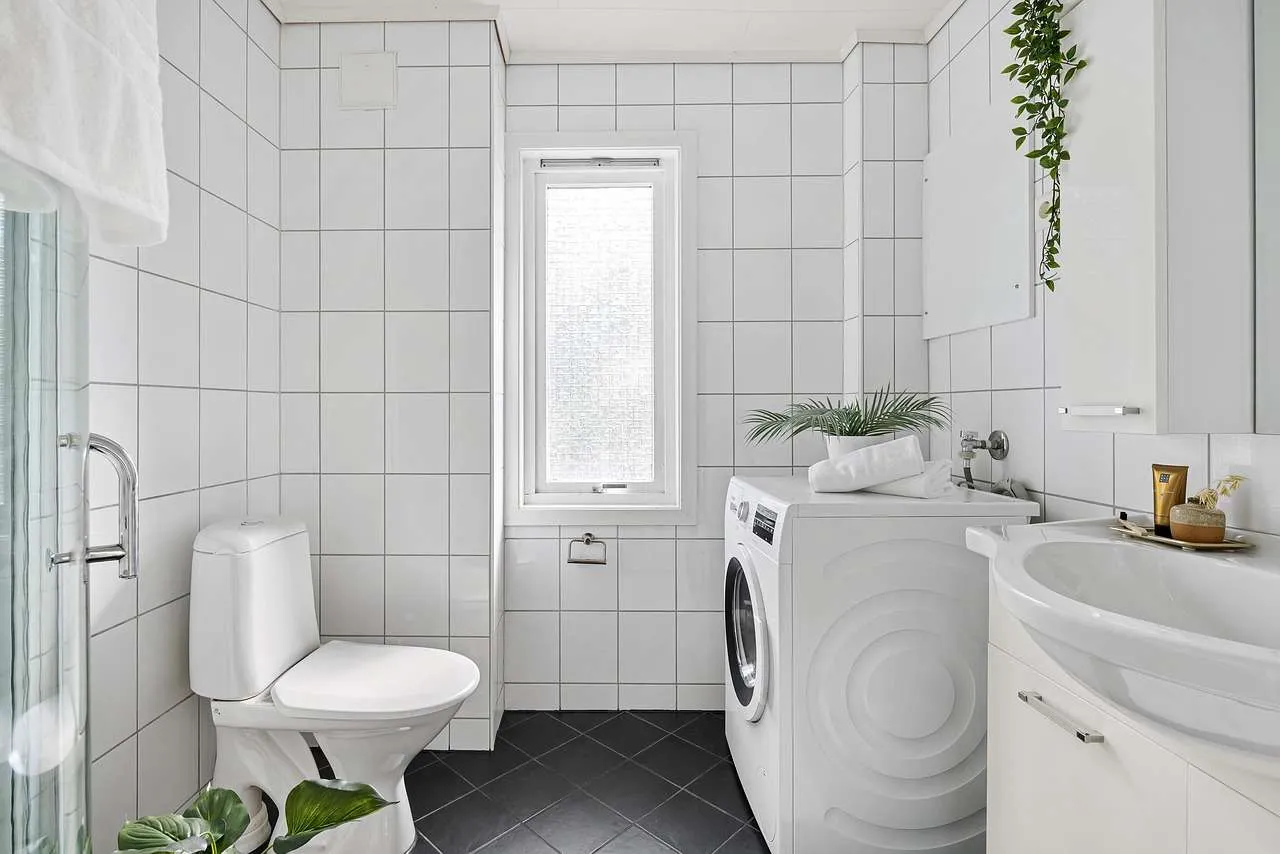
Ceramic tile is fired clay that is glazed to create a protective surface. It is usually softer, more affordable, and widely available in many colors and patterns, making it ideal for walls and light traffic floors. Porcelain tile is a denser form of ceramic with minimal water absorption and a higher break strength. It is through bodied or frost resistant and performs exceptionally in wet areas and high traffic bathrooms.
Key difference to consider is water absorption and wear. Porcelain typically meets a lower water absorption rate and higher PEI wear rating, which translates to improved stain resistance and durability in showers and bathroom floors.
Natural stone and glass tiles
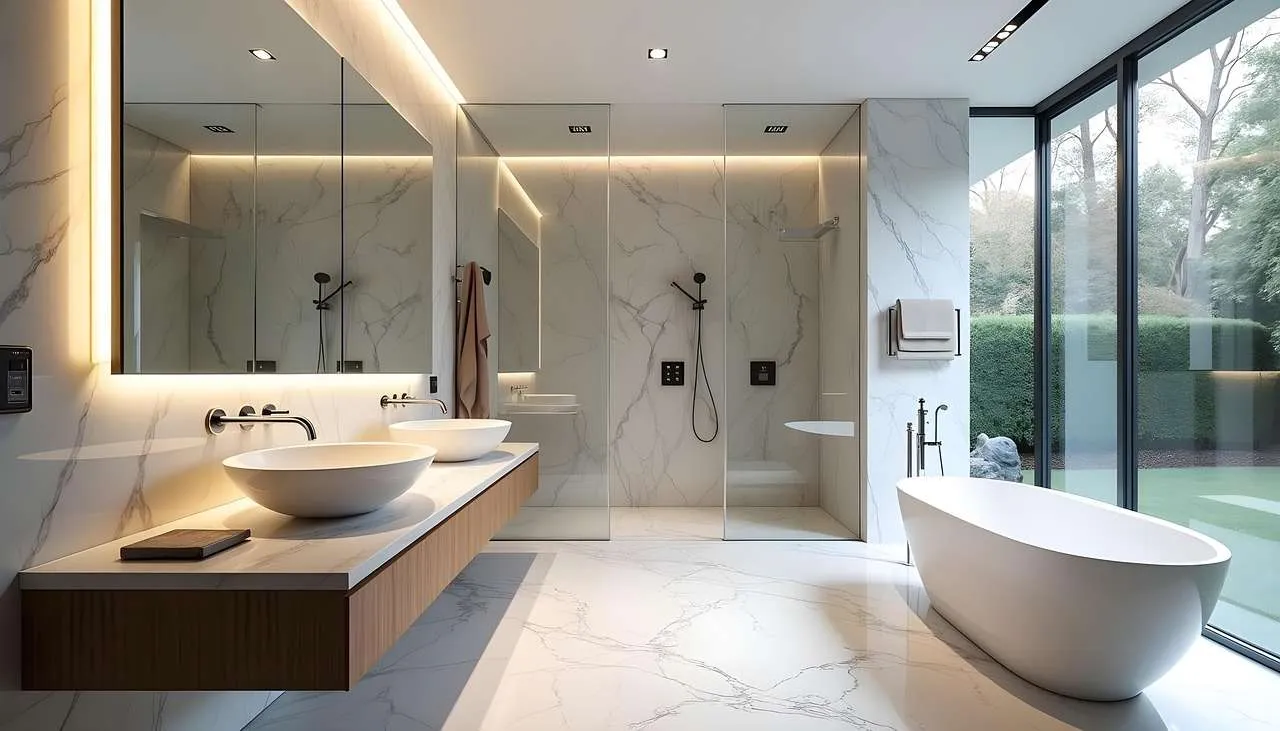
Natural stones such as marble, travertine, and limestone offer unique veining and luxury. They require more maintenance, including sealing and periodic resealing, to protect against moisture and staining. Glass tiles deliver a bright, reflective surface perfect for walls and backsplashes; they are often paired with cement or epoxy grouts and can accentuate light in small bathrooms. However, glass can be slippery on floors and may show fingerprints, so usage is usually on walls or accents rather than full floor coverage.
Choosing tile for floors versus walls
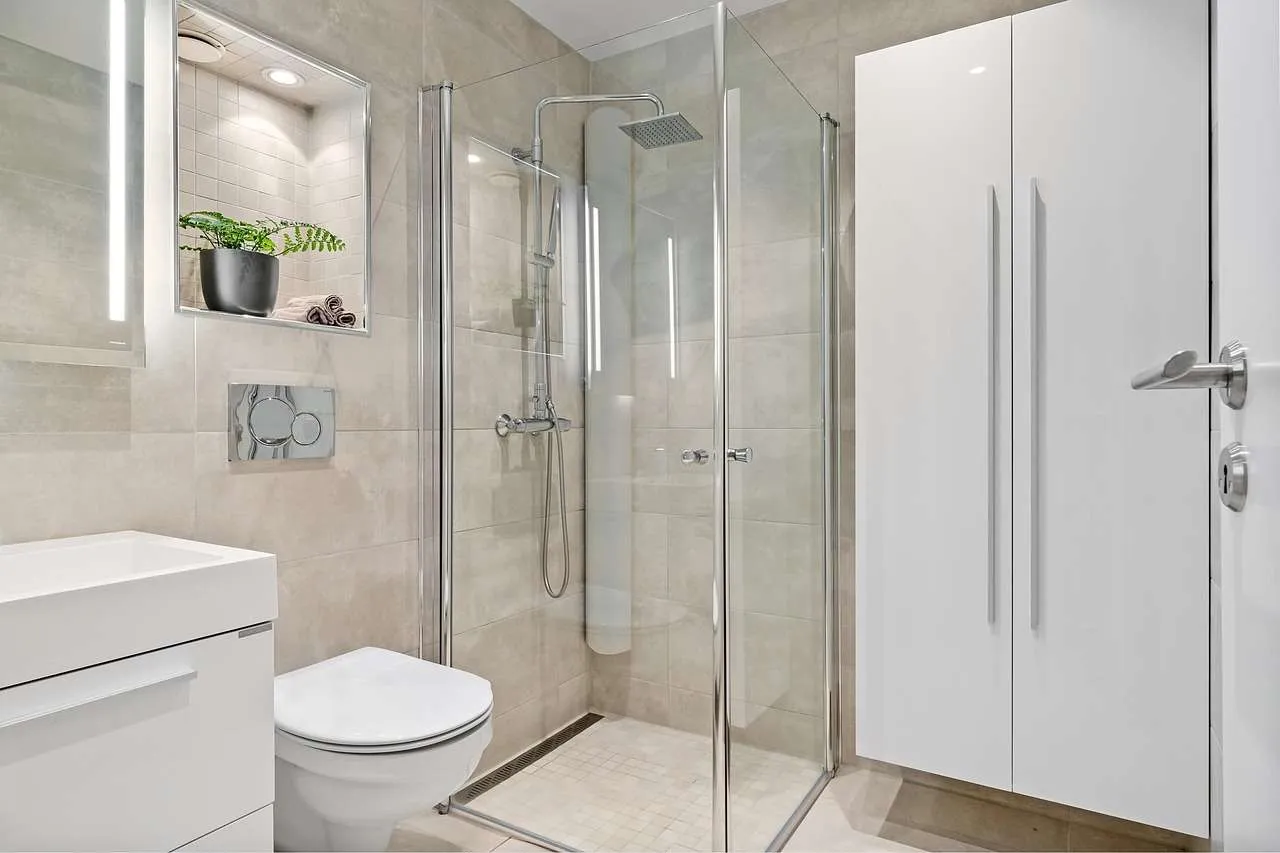
Floor tiles endure foot traffic and moisture exposure, so density and slip resistance matter. Porcelain and dense ceramic with a higher PEI rating are common choices for floors. Walls can utilize ceramic or glass tiles without sacrificing durability, but consider slip resistance for any floor area near showers or tubs. For shower enclosures, select waterproof membranes and proper waterproof grout systems to prevent water ingress behind the tiles.
Sizes, patterns, and layout ideas
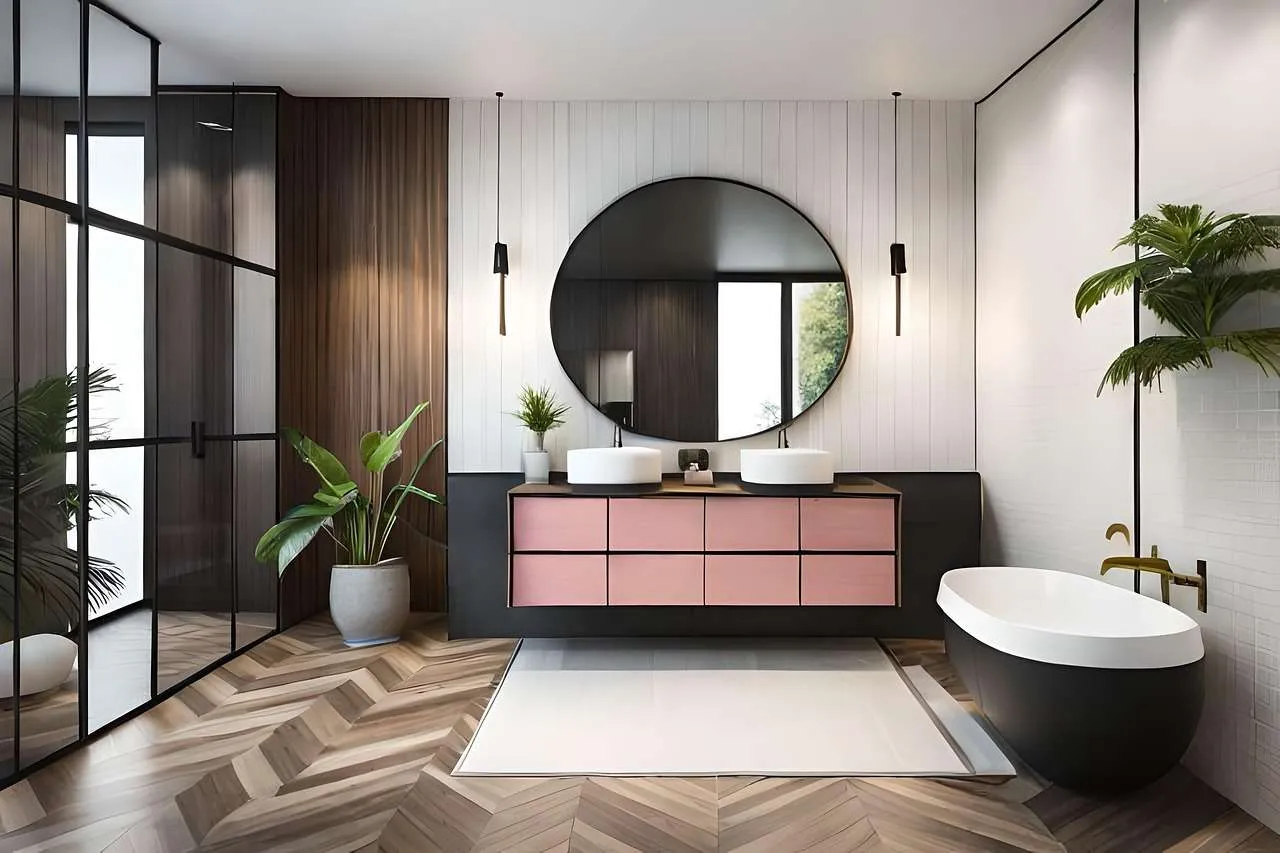
Tile sizes range from small mosaics to large format slabs. Common bathroom options include 3x6 subway tiles for walls, 12x24 and 24x24 porcelain for floors, and mosaic sheets for shower niches. Patterns such as herringbone, chevron, and stacked aligns create visual interest, while linear patterns can make a small bathroom appear larger. When planning, calculate total square footage with waste factor and consider a contrasting trim or grout color to emphasize seams or hide minor mistakes.
Installation basics and maintenance
Preparation is crucial. Install a sturdy backer board, ensure the substrate is flat, and use a waterproof membrane in wet zones. Choose a polymer modified thin set for most bathrooms and select grout that matches tile color and water exposure. Seal natural stone and apply grout sealer according to manufacturer timing. Clean spills promptly and use pH balanced cleaners to avoid dulling surface finishes. Regular resealing of stone and occasional regrouting may be necessary to maintain a like new appearance.
Budgeting and buying tips
Prices vary widely. Ceramic tile can start at modest costs, while porcelain offers durability with higher price. Natural stone brings luxury but higher ongoing maintenance. Include costs for waterproofing, underlayment, grout, sealants, and professional installation if you hire a contractor. For a typical master bathroom, plan for materials plus 40 to 60 percent extra for waste, cuts, and matching patterns. Look for reputable retailers and ask for samples and installation references to verify color and quality before purchasing.
Tile options at a glance
| Tile Type | Pros | Cons | Best For |
|---|---|---|---|
| Ceramic | Affordable, broad style range, easy to cut | Porous if unglazed; less dense than porcelain | Walls and light to medium traffic floors |
| Porcelain | Very durable, low water absorption | Higher cost and harder to cut | Bathrooms, showers, wet areas |
| Natural Stone | Unique color and luxury feel | Porous; requires sealing and maintenance | Showers, countertops, accent areas |
| Glass | Bright, modern look; easy to clean | Slippery on floors; requires proper backing | Back walls, backsplashes, accents |
As you plan, assemble a design board with tile samples, grout options, and mockups to visualize the final look before committing.
Summary: This guide covers tile materials, patterns, installation basics, and maintenance strategies to help you select bathroom tile that looks great and performs well for years to come.